Pin It and Mean It: Six UK Towns Where the Noticeboard Still Beats the Internet
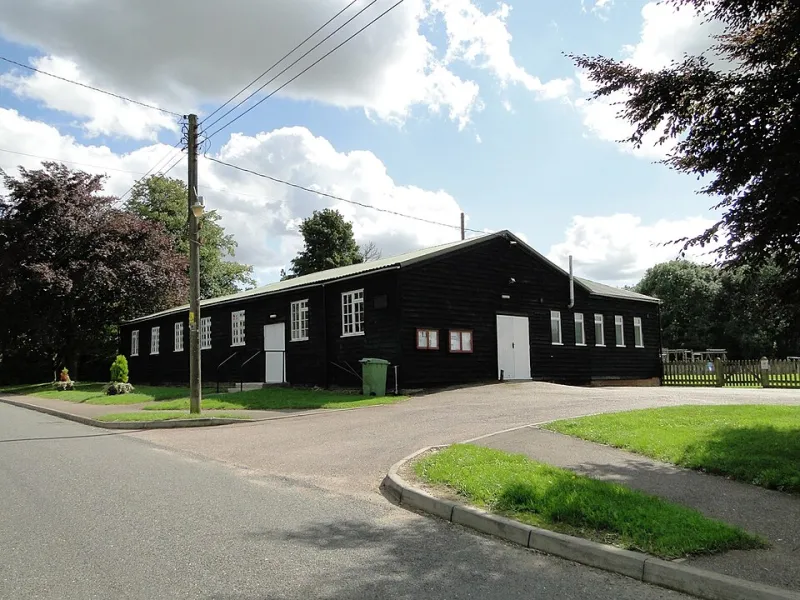
Photo: Adrian S Pye , CC BY-SA 2.0, via Wikimedia Commons
I have a theory, and it is not a complicated one: if you want to know what a town is actually like, don't ask the internet. Ask the wall.
Every high street in Britain has a corkboard somewhere — in the library foyer, taped inside a café window, screwed to the side of the village hall, cable-tied in a bus shelter. It is a recommendation engine built by people with absolutely nothing to gain. Nobody is being paid to pin up a notice about the Thursday folk session. Nobody's aunt owns the tea dance.
What a noticeboard actually is
The internet recommends things because someone was rewarded for it. A noticeboard recommends things because someone cared enough to walk to the shop for a laminator. That is a completely different kind of signal.
It is also gloriously unfashionable, mildly damp, and occasionally six years out of date. All part of the charm.
How to read one properly
Most people glance and move on. Read it in layers instead.
The village hall gives you the long view — the recurring stuff, the fixtures of a place. Badminton. A history society. A thing called 'Art Group' with no further explanation.
The library casts the widest net. Council events, reading groups, free talks, and usually the best-organised notice in the building.
The café window is the immediate one: gigs, pop-ups, a new shop opening on Saturday, a table sale that will be over by the time the internet finds out.
The bus shelter is the honest one. It's where you get sixth-form bands, missing cats, and notices that went up in a storm and never came down.
A few rules of the board:
- Read the top layer first. Fresh notices go over old ones. The most recent thing in town is usually nearest your eyeline.
- Trust handwriting. A biro on A5 means someone did this on their kitchen table, which is as close to a personal guarantee as Britain gets.
- Check the bottom corner. It tells you who's behind it — the rugby club, the church, a woman called Jan. Follow that thread.
- Note the date, if there is one. A board with no dates is a museum. A board with seventeen dates is a town with a pulse.
- Count the staples. Twenty staples in one square centimetre means the board is fought over, which means there's a lot going on.
The Bill Hay noticeboard test
Five things, scored out of five:
- At least one handwritten notice.
- A recurring weekly club, not just one-off events.
- A torn-off phone number strip with at least one strip missing.
- Something for under a fiver.
- One notice that is very clearly for the wrong town and has been there for years.
Four out of five is a good sign. Five out of five and you should look at property prices.
Six towns that still do it properly
Ludlow, Shropshire
Ludlow is a food town, so the boards are competitive. The library foyer and the ones around the market square carry the real programme: cooking clubs, a choir, a repair café, the sort of thing that runs on a Wednesday because that's when the room is free. Read the boards, then walk the castle and the old streets and see whether the town lives up to its own notices. It usually does.
Kirkby Lonsdale, Cumbria
A small town that behaves like a bigger one, largely because people bother. The village hall notice is the one to find — quizzes, a walking group, a Christmas lights committee recruiting in February. Ruskin's View is the famous bit, the board is the interesting bit, and there's a decent café within a hundred yards of each.
Frome, Somerset
Frome has made independence its personality, and the noticeboards show it: gigs at the Cheese and Grain, studio openings, market-day line-ups, a startling number of yoga options. The monthly independent market is the big draw, but the board in the café window is where you find the thing happening on a wet Tuesday. Take a photograph of the whole board and read it over lunch.
Beccles, Suffolk
Quietly excellent. The town council boards, the ones by the quay and the ones taped up by the lido carry a genuinely broad mix — swimming clubs, river trips, a bell-ringing session you're allowed to turn up to. If a town's board advertises bell-ringing to strangers, it is a confident town. Walk down to the water afterwards and you'll see why.
Hexham, Northumberland
A proper market town with an abbey at one end, and boards in the abbey porch, the library and the café windows along the main street. Market day is the day to go: the board and the stalls agree with each other, which is rare. Look for the notices pinned by the arts centre — they tend to point at the smaller, better things.
Narberth, Pembrokeshire
A high street of independents with a noticeboard culture to match. Ask in any shop; someone will point you to the right wall. Food festival plans, a choir wanting tenors, a table-top sale in the hall — it's all there, all handwritten, and none of it is on any app. Go for the board, stay for the fact that everything you read about is within a ten-minute walk.
The one thing you should do
Before you leave any of these towns, photograph the board. Not the individual notices — the whole thing, in one frame, slightly crooked. Then sit down with a coffee and read it properly. You'll find something you'd never have searched for, arranged by someone who isn't trying to sell you anything.
And when you get home, pin something up yourself. The board only works if people keep adding to it.