The 'Hidden Gem' Has Had Its Day — A Bill Hay Guide to Recommending UK Places Honestly
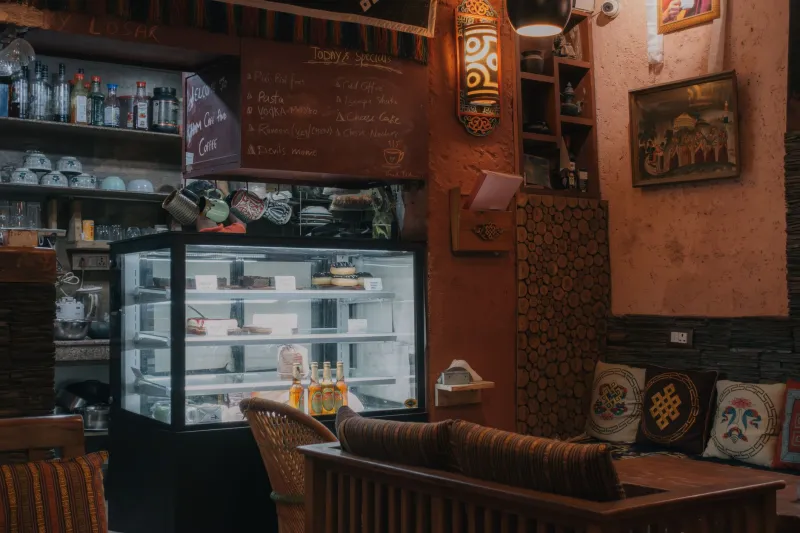
There is a moment, somewhere between the chalkboard and the queue, when the phrase ‘hidden gem’ stops meaning anything at all. You see it on a laminated sign beside a cafetière: Hidden Gem of the High Street. You see it in a caption under a plate of avo toast: the little hidden gem nobody knows about — posted, inevitably, by 4,000 people. And you think: if nobody knows about it, why is there a 25-minute wait for a table?
I say this with affection. I like cafés. I like pubs. I like shops that smell of dust and possibility. But ‘gem’ has been worn smooth by overuse. It no longer tells you whether the tea is hot, the prices are fair or the staff will look up when you walk in. It just means ‘I went somewhere and took a photo.’ In 2026, we can do better.
The problem with a ‘hidden gem’
A hidden gem should be a place you stumble on and feel quietly smug about. It should not be a place with a branded tote bag, a 40-minute brunch queue and a waiting list for the good seat. That is not hidden. That is a marketing strategy with eggs.
The phrase has become shorthand for anything with a chalkboard, a fern and a flat white. It flatters the recommender more than the recommended. And it leaves the rest of us no wiser. What is it good for? Is it worth the trip? Can you hear yourself think? Will the tea arrive in a pot or a sad little cup with a teabag string hanging over the side?
The Bill Hay checklist
Here is a friendly but firm set of questions to ask before you call somewhere a gem — hidden or otherwise.
1. The tea test
A proper cup of tea is still the fastest way to judge a café. Loose leaf is lovely, but a decent bag in a pot, water that is actually boiling and a mug you can get both hands round will do. If the tea costs £4.50 and arrives in a glass beaker, proceed with caution.
2. Fair prices, clearly shown
I do not need cheap. I need honest. A menu by the door, a price on the board and no surprise service charge for handing me a scone. Value is not the same as bargain — it is knowing what you are paying for.
3. Staff who know the regulars
The best places have a little ecosystem. The bloke in the corner with the crossword. The dog that gets a bowl without asking. The woman who has the same soup every Tuesday. You do not need to be a regular to feel it. You just need to see that the place knows how to keep one.
4. A seat you can actually use
A café that reserves every table for brunch, bans laptops and plays music like a changing room is not welcoming. It is staging. Give me mismatched chairs, a window ledge and a table that wobbles slightly. I will manage.
5. No Instagram queue required
Busy is fine. A queue of people photographing their pastries before they eat them is a different thing. If the queue is longer than the menu, ask yourself whether you are there for the place or the proof.
6. Recommendations that sound like a person
‘Our best seller’ is not a recommendation. ‘The ham and mustard is good today, and the soup is better than it sounds’ is. I want the person behind the counter to tell me what they would eat on their break.
A few places that pass
I am not going to pretend this is a definitive list. Britain has thousands of good cafés, pubs and shops, and most of them will never trend. But here are a few that pass the spirit of the checklist.
The Rendezvous Café in Whitley Bay is the kind of place that has been getting on with it for decades. Proper pot of tea, Formica tables, no fuss, and a view that does not need a filter. It is not hidden — locals know it — and that is the point.
The Applecross Inn in Wester Ross is a pub at the end of a long road, which helps. But it earns its reputation with good seafood, a warm room and staff who seem genuinely pleased you made the effort. Book ahead, yes. But do not call it a secret.
The Book Hive in Norwich is a bookshop, not a café, but it passes the same test. Staff picks that feel like actual opinions, a table you can browse at, and no pressure to buy the hardback by the till. That is a gem. It does not need the word.
What to say instead
If you like somewhere, say what it is good for. ‘Great pot of tea and a proper bacon butty’ is more useful than ‘hidden gem’. ‘The owner will find you the right screw for a 1930s door handle’ is better than ‘quirky little find’. ‘Good pint, no televisions, staff remember your dog’s name’ tells me more than any five-star review.
In 2026, recommendations are everywhere. Honesty is the rare bit. So let us retire the phrase ‘hidden gem’ — or at least keep it for places that genuinely deserve it. A chalkboard does not make a gem. A queue does not make a gem. A place that knows what it is, and does it well, does.
And if you find one, tell me what to order.