Miss Your Stop on Purpose: Six UK Rail Stops That Reward the Passengers Who Get Off First
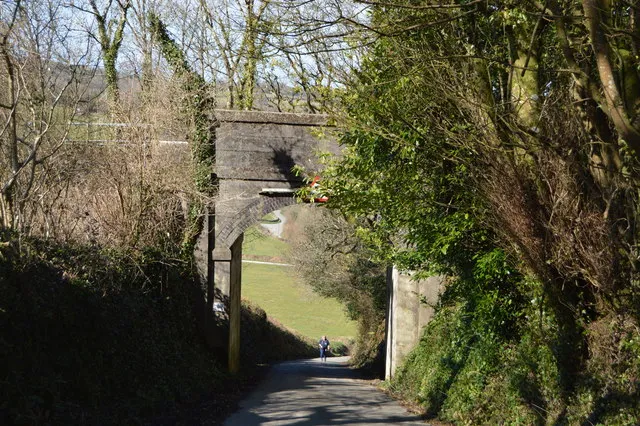
Photo: N Chadwick , CC BY-SA 2.0, via Wikimedia Commons
There is a moment on every train where the guard says the name of the place everybody is going to, and half the carriage starts gathering coats. That is the moment to stay seated, wait for the announcement of the stop before, and get off there instead. It sounds like a self-sabotaging hobby. In practice it is the cheapest travel upgrade going.
The famous destination performs for its visitors. The town one stop back is still itself — cheaper coffee, shorter queues, a pub where nobody is filming their lunch. You see something real, then you can ride onward later if you still fancy the crowds.
Why the stop before always wins
Popular places absorb their own success. Everything near the station is priced and shaped for people who have come a long way and want it over with quickly. One stop earlier, the high street still sells things people need, the market still has a butcher in it, and the person behind the counter has time to tell you which way the good walk goes.
You also get the smugness. Arriving somewhere unplanned and finding a decent lunch is one of the last free pleasures.
The Bill Hay one-stop-early method
Before you get romantic about this, five boring things:
- Check your ticket. Off-Peak and Anytime tickets normally allow you to break your journey. Advance singles generally do not. Read the conditions before you start inventing plans.
- Give it two hours minimum. Under that and you are just eating a sandwich on an unfamiliar platform.
- Pick one anchor. A walk, a market, a pub, a café. One. Not an itinerary.
- Ask a local within ten minutes of arriving. 'What's on today?' beats any list, including this one.
- Know your onward trains before you commit. Photograph the departure board. Nobody wants to discover the last connection left while they were admiring a viaduct.
Right. Six stops.
1. Mytholmroyd, not Hebden Bridge
The Calder Valley line is the north's best-value scenic railway and Hebden Bridge gets all the credit. One stop before it, Mytholmroyd sits in the same steep valley with none of the weekend scrum. The station drops you almost at the canal, the Rochdale Canal towpath runs both ways, and the climb up to Stoodley Pike is a proper hour of huffing with a monument at the top and the whole valley laid out behind you.
There are pubs within a few minutes of the platform, a decent café or two, and the strange satisfaction of walking into Hebden Bridge later on and knowing you slept somewhere quieter.
2. Knaresborough, not Harrogate
Harrogate is lovely and behaves accordingly. Knaresborough, one stop before it on the line from Leeds and York, has a castle, a market square, a viaduct that looks like it was built for a film poster, and a café culture that doesn't need a booking system.
The station is at the bottom of the hill; the town is up top, and the walk between them takes about ten minutes if you don't get distracted by the view from the bridge. Mother Shipton's Cave and the riverside walks fill an afternoon. Market day is worth checking before you go.
3. Chippenham, not Bath
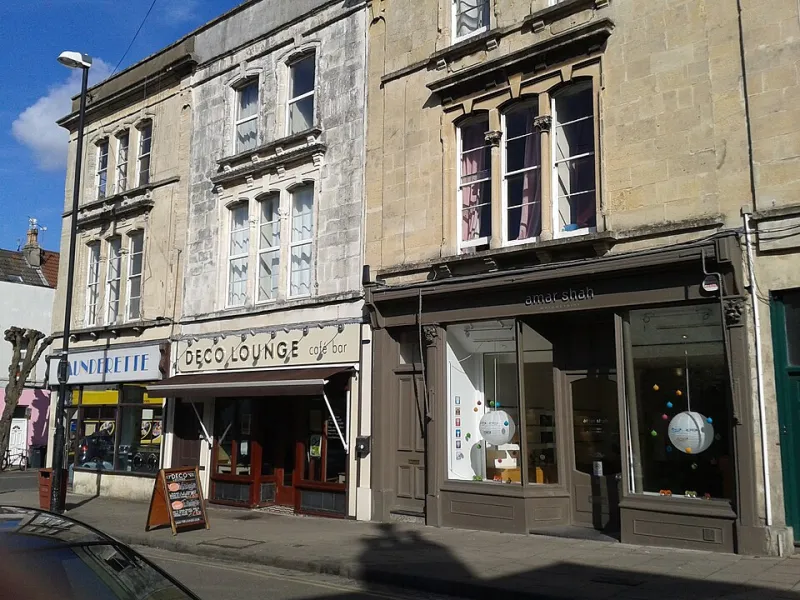
Bath is a world heritage site and prices its sandwiches accordingly. Chippenham, one stop before it from Paddington or the west, is a working Wiltshire market town with a riverside walk, an old hall worth a look, and a charter market that has been turning up for centuries.
It is also the practical base for Lacock, the National Trust village of half-timbered cottages and no television aerials, a short bus ride away. You get the postcard and the town that isn't on the postcard, and you don't pay Bath prices for either.
4. Carbis Bay, not St Ives
On the St Erth branch line, the train hugs the coast and every passenger leans into the windows. Carbis Bay is the stop immediately before St Ives, and it has the sand, the turquoise water and about a tenth of the people.
The South West Coast Path runs from the beach into St Ives in roughly half an hour, which is a walk worth doing in either direction. Go early, swim if you're brave, walk into town for lunch, and get the train back from the stop everyone else queued for. Check tide times before committing your towel to anything.
5. Faversham, not Canterbury
Canterbury has the cathedral and the coach parties. Faversham, a stop earlier on the Kent line, has a creek full of old barges, a market several days a week, a brewery that has been at it since the sixteenth century, and a high street of proper shops.
Standard Quay is the place to wander, the Guildhall is the place to point at, and the pubs are the place to end up. It is the sort of town that makes you say 'I could live here' out loud on a Tuesday, which is the highest compliment an English town can receive.
6. Dunbar, not Edinburgh
On the East Coast run from King's Cross, Dunbar is the last stop before Waverley, and most of the carriage doesn't even look up. Their loss. You step out into East Lothian with a harbour, castle ruins, a proper high street, and the John Muir Country Park on the doorstep.
It is a town of sea air and stone, with a battery to walk to and a coastline that gets the kind of light photographers drive for hours to find. Edinburgh is twenty-five minutes further on. Do the small place first, then go and be a tourist with your afternoon already won.
The bit where you actually do it
Pick a Saturday. Buy a ticket to the famous place, get off one stop early, and give yourself a two-hour window. Eat something local. Walk in one direction until you find the edge of town, then turn round. Photograph the departure board before you go anywhere.
And if you like the stop more than the destination — which happens more often than the guidebooks admit — you can always come back and do the famous bit another day, when the queues have gone home.
Missing your stop on purpose isn't a mistake. It's the whole point of having a timetable.