Somebody's Got a Screwdriver for That: Six UK Repair Cafés Worth a Saturday in 2026
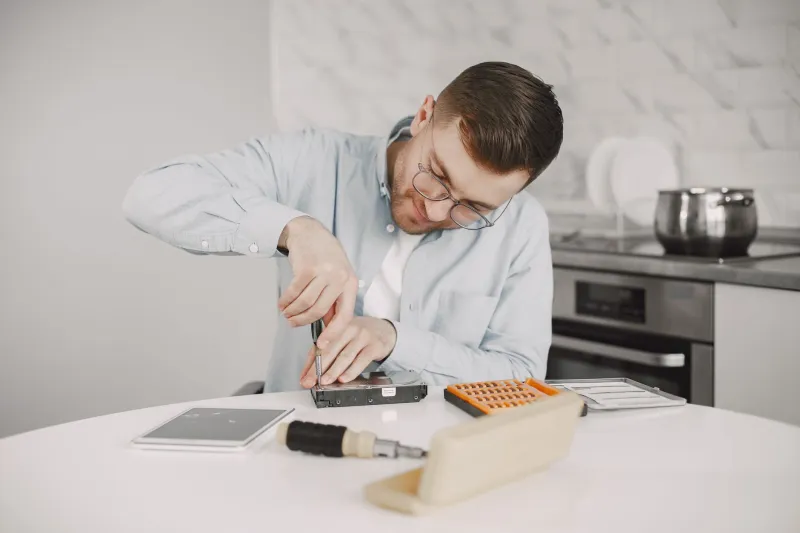
There is a particular kind of British optimism in turning up to a church hall with a toaster under your arm. It says: this thing is not finished yet, and neither am I. Repair cafés run on that feeling. You bring the broken object, somebody with a multimeter and a good eye takes a look, and for an hour or so you sit together trying to coax it back to life. Sometimes it works. Sometimes it does not. Either way, you usually leave with a cup of tea inside you and a new name in your phone.
In 2026, these places are busier than ever. Not because we have all become miniature engineers, but because the alternative — binning a lamp because of a loose wire — feels increasingly daft. The best repair cafés are not gloomy workshops. They are social rooms with screwdrivers. Here is how to get the most out of one, and six around the UK worth clearing a Saturday for.
The Queue Is Part of the Ritual
Do not expect a drop-and-run service. Most repair cafés open their doors, hand you a clipboard and ask what you have brought. You sign in, you get a rough slot, and then you wait. This is not inefficiency. It is the whole point. The queue is where you meet the person with the broken radio, the woman with a sewing machine that has eaten a curtain, and the retired electrician who is quietly delighted to be useful again.
When your turn comes, sit beside the volunteer rather than handing the item over like a garage key. Ask what they are testing. Watch where the screwdriver goes. Most fixers love a curious owner, and you will learn enough to have a go yourself next time. Bring one item per person if you can. Turning up with a car boot of dead appliances is not a good look, and it clogs the tables for everyone else.
Pack the Fault, Not the Whole Garage
A few practical bits make the day smoother. Bring the whole item, not just the bit you think is broken — a kettle needs its base, a lamp needs its plug, a sewing machine needs its pedal. If you already know the model number, write it down. If you have the manual, bring it. If you have bought a replacement fuse or a spare part, bring that too. Volunteers are generous with time, not with parts catalogues.
Expect a donation box rather than a bill. Most cafés ask for a few pounds to cover insurance, tea and the odd fuse. Nobody is going to refuse to look at your lamp because you have not got cash, but the box is there for a reason. And be honest about safety. If something has a burnt smell, a swollen plug or a history of tripping the fuse box, say so at the sign-in table. A good repair café will tell you straight if it is not worth the risk.
Six Places Where a Screwdriver Opens a Conversation
1. Repair Café Cardiff
Cardiff's repair crowd has the easy bustle of a good public building: bikes being wheeled in, fabric being pinned, somebody prodding a radio with a look of deep concentration. Check the listing for the latest venue, because these things move around halls like folk clubs. Bring a small electrical item and a willingness to talk about the weather while somebody tests a fuse.
2. Glasgow Repair Café
The Glasgow version feels like a proper Saturday morning: tea, biscuits, a queue that turns into a blether, and volunteers who will not be rushed. Sewing machines and small furniture often get a good look-in alongside the usual lamps and kettles. If you are nervous about being the person who does not know a capacitor from a carburettor, this is a gentle place to start.
3. Leeds Repair Café
Leeds has a practical, no-nonsense feel. You will see bikes, textiles, small electricals and the occasional toy that has lost its spark. The volunteers are good at explaining what they are doing without making you feel like you have interrupted a secret meeting. Go early if you have something fiddly. The last hour is lovely, but it is not the time to start a three-stage resurrection.
4. Bristol Repair Café
Bristol's sessions have a friendly, slightly chaotic energy — in the best way. Expect a mix of mend-it-yourself advice and proper bench work, with plenty of people hovering to see whether the thing will live. The city's make-do culture runs through it, and you will often leave with a recommendation for a good local hardware shop as well as a working plug.
5. Norwich Repair Café
Norwich is the sort of place where a repair café feels less like an event and more like a standing appointment. The pace is calm, the tea is strong, and the volunteers have a knack for putting anxious owners at ease. Bring the manual if you have it. Bring the spare part if you have remembered. Bring a toaster if you have not, because somebody will enjoy the challenge.
6. Newcastle Repair Café
Newcastle's repair sessions are warm, straight-talking and genuinely sociable. You will hear more than one conversation about how things used to be made, and you will probably be told exactly what to do differently next time. That is not a criticism. It is the local version of a pat on the back. Small electricals and textiles are a good bet, but check the listings for what each session specialises in.
The Fix Is Only Half the Point
The honest truth is that not everything can be saved. Some motors are gone. Some plastic housings have cracked in a way that no amount of patience will undo. But a repair café is not really a guarantee. It is a room full of people who would rather have a go than shrug. You turn up with a broken thing and a bit of hope. You leave with a working kettle, a new acquaintance, or at least a much better idea of what went wrong.
That is worth a Saturday. Take the toaster. Take the lamp. Take the slightly embarrassing hedge trimmer you have been meaning to look at since 2023. Somebody will have a screwdriver for it, and somebody else will put the kettle on. In 2026, that is a pretty good way to spend a morning.