The Box Is the Till: Six Farm-Gate Stalls Where Nobody Counts Your Change
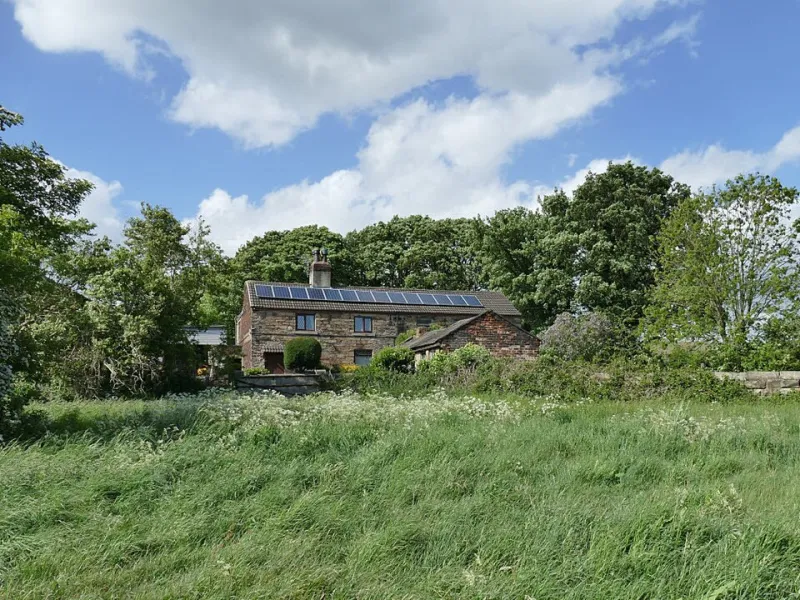
Photo: Stephen Craven , CC BY-SA 2.0, via Wikimedia Commons
There is a particular sort of shop that has no doorbell, no queue and no one asking whether you have a loyalty card. It is a shed at the end of a track, a handwritten sign, a plastic tub with a slit cut in the lid, and a deep, unspoken assumption that you will do the decent thing.
Welcome to the farm-gate honesty box. In 2026, when half the high street wants your email address before it will sell you a sausage roll, these little roadside operations feel almost eccentric. You take the eggs. You put the money in the box. The system runs on trust, and somehow it still works.
Why a tub of coins feels radical now
We are not short of ways to pay. Tap here, scan that, approve the push notification. And yet the honesty box persists — not because farmers are nostalgic, but because it is cheap, simple and remarkably effective. A stall by the gate sells the surplus that would otherwise go to waste. A neighbour drops by for half a dozen eggs. A cyclist spots the sign and doubles back. The whole thing is a small act of local economics, conducted without a card reader or a customer service team.
Some stalls have adapted. You will find QR codes taped to the lid, or a note saying “bank transfer preferred” in biro. But plenty still want cash, and that is part of the charm. It asks something of you: a bit of preparation, a little honesty, and the willingness to trust a stranger's arithmetic.
The unwritten rules of the honesty box
Before we get to the six stalls, a quick word on etiquette. None of this is printed on a laminated sign, but it is understood.
- Bring coins. A £20 note for a £2.50 punnet of strawberries is not a flex; it is a headache for whoever empties the box.
- Take what you said you would. If the sign says a dozen eggs, do not swap three out for the bigger ones. That is not shopping; that is a rummage.
- Do not raid the float. The box is not a till with a drawer. If you need change, you have come unprepared.
- Close the gate, the lid and the honesty box. Livestock escapes are not a charming rural anecdote when it is your fault.
- Leave a note if you owe. “IOU 40p, back tomorrow” is a perfectly respectable document.
- Do not photograph the money. Nobody needs their honesty box on the internet.
Get those right and you are welcome back. Get them wrong and the sign will quietly disappear, replaced by a padlocked fridge and a “please pay at the house” notice. Trust is a two-way street with a very low tolerance for silliness.
Six farm-gate stalls worth a detour
These are the sorts of places you find by accident and then deliberately return to. Names and exact spots are best discovered by following the signs, but here is the flavour of what is out there.
1. The Egg Shed, Herefordshire
A cool stone shed at the end of a farm track, with a torch on a string for checking shells and a tin that has seen better days. Half a dozen free-range eggs, £2.50. The sign says “please shut the gate — the dog is friendly but the sheep are not.” You will buy eggs, then spend ten minutes chatting to the dog anyway.
2. The Flower Hut, Cotswolds
A wooden hut off a lane near a village that takes its hanging baskets seriously. Bunches of seasonal flowers, £5, wrapped in newspaper. There is a jug for the money and a jam jar of water for anyone who wants to trim stems before the drive home. In June, the whole thing smells like a wedding.
3. The Jam Table, Perthshire
A small table under a corrugated roof, stocked with marmalade, rhubarb jam and something intriguing labelled “hedgerow.” The honesty tin sits beside a jar of midge repellent, which tells you everything about the local climate. Bring a fiver; leave with two jars and a new appreciation for the word “small-batch.”
4. The Veg Shed, Lincolnshire
A proper shed: dirt floor, scales, a box of paper bags and a noticeboard of local phone numbers. Courgettes in August, potatoes by the sack, and a box of “wonky” tomatoes at a price that makes you feel smug. The money goes in a tin on the shelf. The shed also sells duck eggs, but only if you know to look behind the door.
5. The Honey Box, North Yorkshire
A roadside stand with a lid that hinges upwards and a QR code now taped inside for anyone who has forgotten cash. Jars of local honey, £7, and a note explaining which hedges the bees have been working. It is the sort of detail you would normally pay a visitor centre to tell you.
6. The Apple Stand, Somerset
An old chest freezer with the plug pulled out, used to store bags of apples at the end of an orchard lane. £3 a bag, help yourself, and a second tin for the cider that appears in October. The sign is a piece of cardboard and the sentiment is timeless: “Please pay what it says. Thank you.”
What to do when you have no change
It happens. You spot the stall, you want the eggs, and your pockets contain only a fiver and a receipt.
- Overpay slightly. Leave the fiver for the £2.50 eggs. It is not a tip; it is a deposit on goodwill.
- Leave an IOU. Write your name and the amount. Most operators are reasonable. A note is better than a shrug.
- Use the QR code if there is one. Many stalls now have a printed code for bank transfer. Do not assume it exists, but look before you drive off.
- Buy less. Two eggs instead of six. Adjust.
- Come back. The best honesty boxes rely on repeat trade. A quick return with the right change is the whole system in miniature.
What you should not do is take the eggs and promise to pay later without leaving a note, or “borrow” from the box on the understanding that you will settle up eventually. That is not trust; that is a loan nobody agreed to.
A small, hopeful institution
The honesty box is not really about eggs or jam. It is about the assumption that most people are decent most of the time, and that a community can organise a small piece of commerce without a supervisor, a camera or a receipt. In 2026, that is worth noticing.
So if you pass a gate with a handwritten sign and a tub of coins, stop. Take a dozen eggs. Put the money in the box. Close the lid. And drive on feeling slightly better about the country than you did before.
The money goes in the box. The rest goes on the table. That is the whole system, and it is still working.