The Half-Day Hay Cure: Six City Farms Where Adults Can Be Genuinely Useful
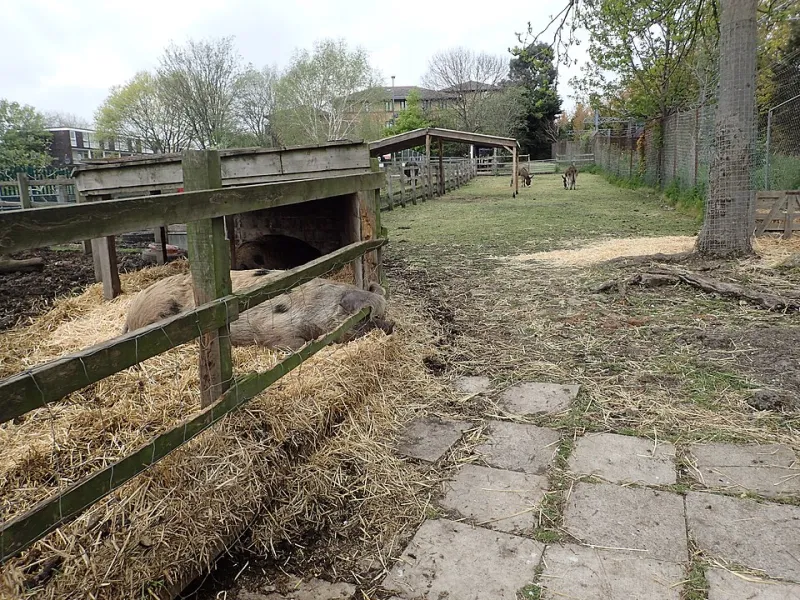
Photo: Marathon , CC BY-SA 2.0, via Wikimedia Commons
There is a particular sort of tiredness that comes from shifting hay. It is not the fuzzy-eyed fatigue of another video call, nor the vague ache of a gym session you spent checking your phone. It is honest, outdoorsy, slightly muddy tiredness — the kind that makes a mug of tea taste like a small religious experience.
In 2026, we are spoiled for ways to “switch off”. Apps, retreats, cold plunges, expensive candles that smell of somewhere you are not. But if you want the Bill Hay version of a reset, I would point you towards a city farm. Not to look at the goats through a fence, but to put on your least precious boots and help look after the place for a few hours.
City farms are working sites, often tucked behind railway arches or at the end of residential streets. They run on a mixture of paid staff, volunteers and sheer goodwill. Many welcome adults who want to volunteer regularly or just for a one-off session. The work is not glamorous. It is, however, deeply satisfying — and considerably cheaper than most things marketed as self-care.
Why a muck-out beats another mindfulness app
The appeal is not complicated. You turn up. Someone tells you what needs doing. You do it. You can see the difference when you stop. A clean pen, a full hay rack, a gate that finally shuts properly. There is no inbox, no notification, no one asking if you have five minutes to “just jump on a call”.
There is also the small matter of being useful. City farms are not ornamental. They are community resources, education spaces and, in many cases, home to animals that need feeding whatever the weather. Volunteers help keep that going. That feels different from another hour spent curating your own wellbeing.
And yes, there is something quietly restorative about being outdoors with a task. Not a workout, not a challenge, just work. You will probably smell of straw afterwards. You will probably sleep well.
What adult volunteering actually involves
First things first: this is not a petting zoo with a rota. Farms have routines, risk assessments and livestock that could not care less about your personal growth. Expect an induction or a briefing, especially on a first visit. Some places ask for a regular commitment; others run occasional volunteer mornings or conservation days. Always check the farm’s own volunteer page before turning up with a pitchfork and a hopeful expression.
Typical tasks include feeding, watering, bedding up, mucking out, cleaning troughs, moving hay, checking fences and generally helping with the unglamorous bits that keep a farm running. You do not need experience. You do need to listen, follow instructions and be honest about what you can physically manage.
Wear sturdy boots or wellies, layers you can move in, and clothes you do not mind getting dirty. Bring gloves if you have them, a water bottle, and a waterproof. Leave dangling jewellery at home. Tie long hair back. If you are pregnant, immunocompromised or have mobility concerns, speak to the farm before booking — good farms will be glad you asked.
And do not expect to cuddle a lamb while a rainbow appears. You might get a lovely moment with an animal. You might also spend forty minutes sweeping. Both count.
Six city farms to try
These are established city and community farms with volunteering routes for adults. Details change, so check current volunteer pages, age requirements and booking processes before you travel.
Hackney City Farm, London — A proper little farm tucked off Hackney Road, with animals, gardens and a café that earns its keep. Adult volunteering is usually arranged through the farm’s volunteer programme, with induction and agreed sessions. It is a good first taste of city-farm life: busy, friendly and only a short hop from a bus stop.
Mudchute Park & Farm, London — One of the biggest city farms in Europe, sitting on the Isle of Dogs with views that remind you how strange and brilliant London is. The site is large, the animals are numerous, and volunteer opportunities tend to involve practical estate work as well as livestock. Check ahead for current adult volunteer sessions.
Stepney City Farm, London — A community-minded farm in Tower Hamlets with animals, growing space and a real sense of purpose. Volunteering here often means getting stuck into the everyday work that keeps a small farm ticking over. It is worth reading the farm’s volunteer info carefully and asking what a typical session involves.
St Werburghs City Farm, Bristol — A Bristol institution, with livestock, gardens and a community feel that extends well beyond the gate. Adult volunteering is part of the farm’s wider community offer; expect practical tasks and a proper induction. If you are local, ask about regular slots rather than one-off visits.
Windmill Hill City Farm, Bristol — Another Bristol favourite, with animals, green space and a café that does a brisk trade in cake. The farm has long relied on volunteers and offers routes for adults who want to help with animal care and site work. Check current opportunities and availability before pitching up.
Heeley City Farm, Sheffield — A well-loved community farm in Sheffield with animals, gardens and a strong local volunteer base. It is the sort of place where a morning’s work can involve hay, muck, fence checks and a chat with someone who has lived in the area for forty years. Book or enquire first; good farms do not run on surprise labour.
A few sensible expectations
Do not turn up unannounced expecting to be handed a shovel. Ring or email first. Ask what to wear, where to park, whether there is a toilet, and whether the session goes ahead in rain (often yes). Ask if there is a minimum age, a minimum commitment, or a membership fee. Some farms are free to volunteer with; others suggest a donation or membership to cover costs.
Also remember that farms are biosecurity-conscious places. Wash your hands properly after contact with animals, follow any signage, and keep to paths and pens as instructed. Do not bring your dog unless the farm explicitly says so. Do not feed animals anything you have brought from home. And do not post photos of other volunteers or staff without asking.
The half-day hay cure will not suit everyone. It is physical, it can be repetitive, and the weather will do what it likes. But if you have been looking for a way to feel less like a passenger in your own week, a few hours of purposeful outdoor work is a decent place to start. Take an old pair of gloves. Leave the phone in your bag. Muck in.